
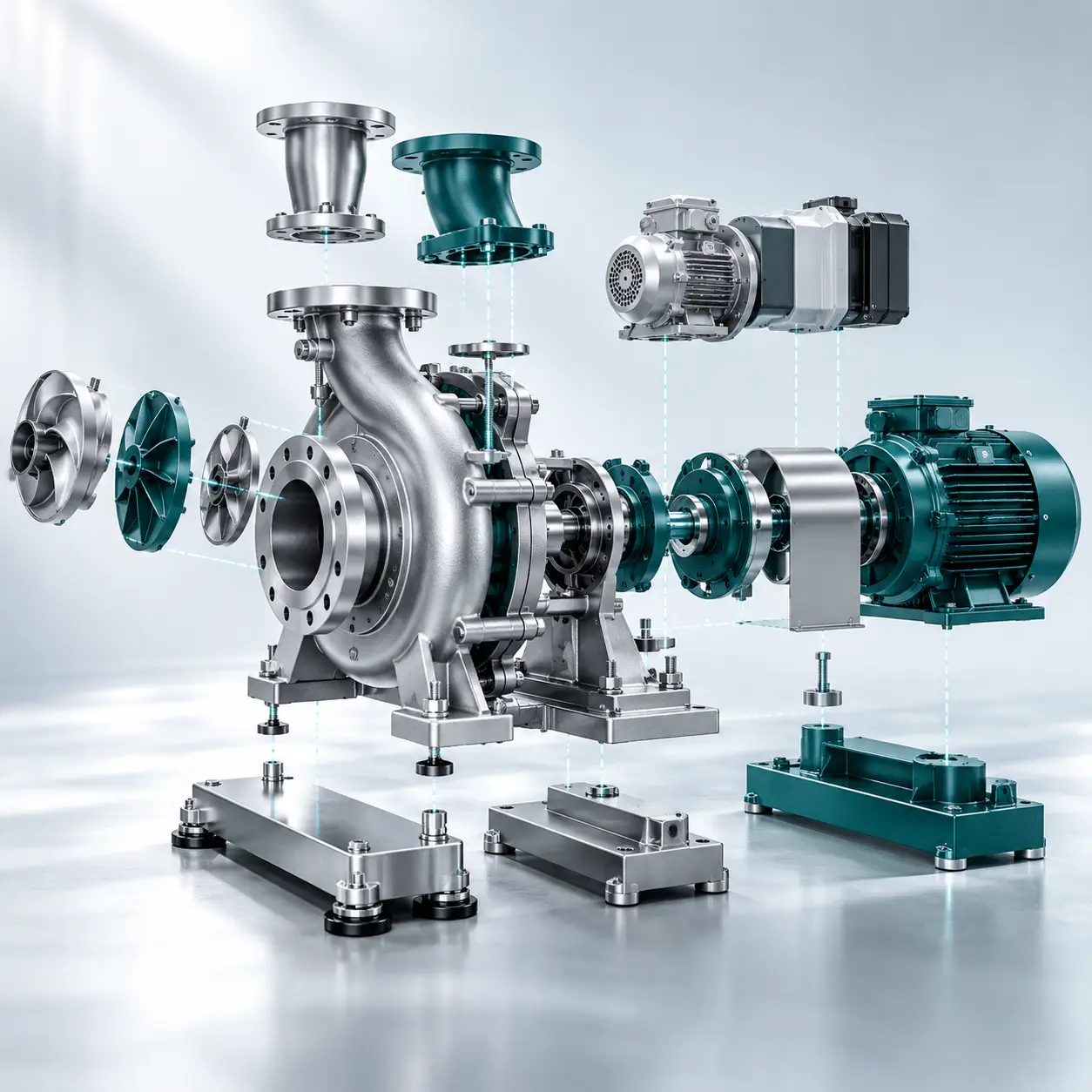
SAP LO-VC – proven variant configuration for complex products
SAP LO-VC is the classic solution for variant configuration in SAP. For many years, it has served as the foundation for configuring complex products with many variants in numerous companies—spanning the entire process from sales and order processing to manufacturing.
25+ years
Experience
Variant configuration is our core competence.
LO-VC & AVC
Expertise
We understand classic and modern SAP VC.
End-to-End
Understanding
From product model to order and production
S/4HANA
Transformation
Further develop existing VC landscapes
What is SAP LO-VC?
SAP LO-VC (Logistics Variant Configuration) enables the modeling of configurable products within SAP.
Instead of managing every possible product variant as a separate material, a product is defined using characteristics, characteristic values, product structures, and rules.
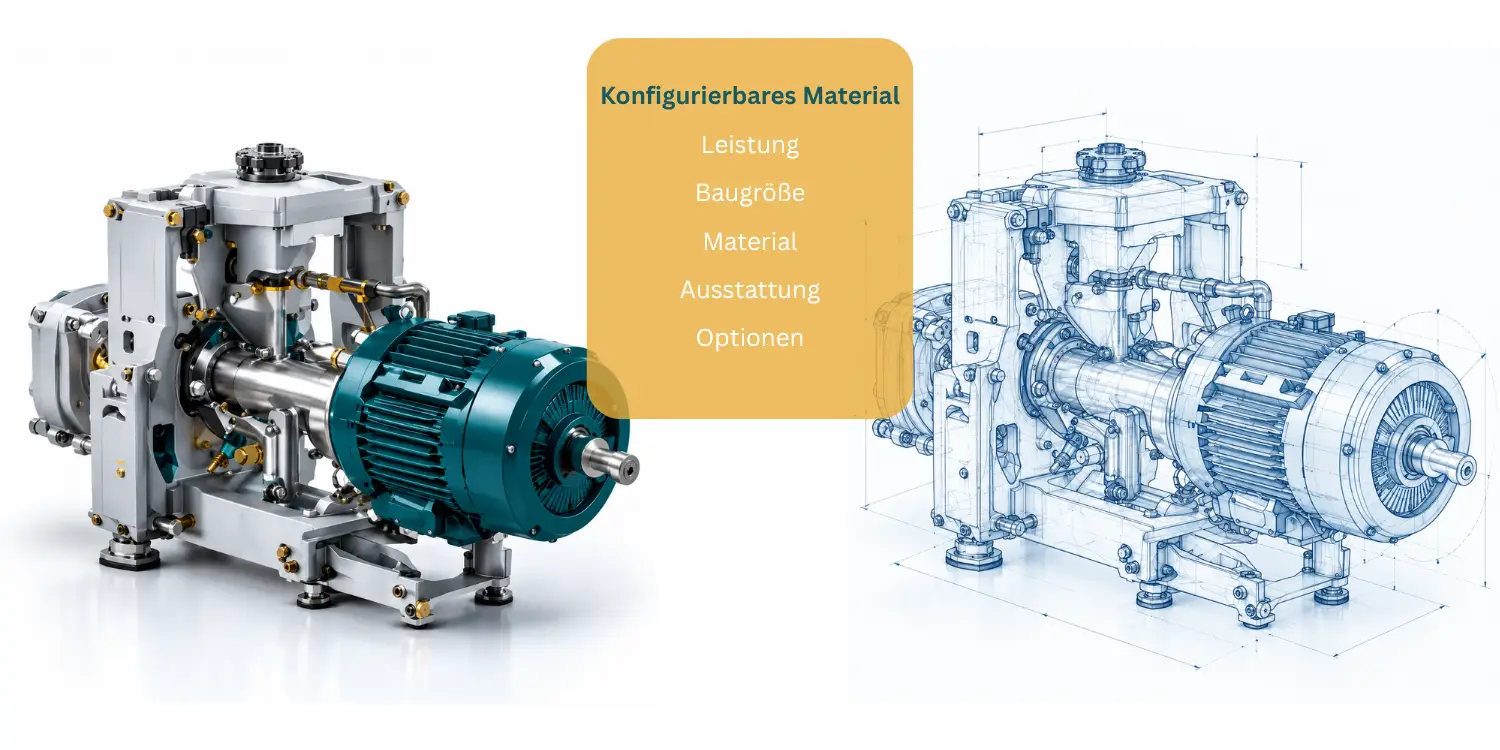
For example, a machine manufacturer can define performance, dimensions, drive systems, materials, or equipment options as product characteristics. Dependency knowledge then ensures that only valid combinations are created and that the configuration is correctly transferred to downstream processes.
For many years, SAP LO-VC has thus served as the technological foundation for variant configuration in numerous SAP system landscapes.
Would you like an overview of the entire topic first?
How is an SAP LO-VC model structured?
An LO-VC model consists of various elements that interlock and form the basis for a consistent and technically valid product configuration.
Characteristics and characteristic values
Attributes describe the characteristics of a product—such as performance, size, voltage, material, or color. Attribute values define the possible variations.
Classes
Classes structure characteristics and form an important basis for describing configurable materials.
Configurable materials
The configurable material represents the product, which can be configured in various forms according to customer requirements.
Configuration profiles
The configuration profile contains key settings for the configuration of a material and determines the specific configuration scenario.
Dependency knowledge
Relational knowledge maps the logic of the variant model. Rules and dependencies govern, for example, which characteristic values are permissible, which values are automatically derived, and the impact a configuration has on the product structure.
Bills of materials and routings
Depending on the product configuration, relevant bill-of-materials components and manufacturing information can be determined.
Dependency knowledge – the heart of complex SAP LO-VC models
The more product variants there are, the more important a clearly structured product logic becomes.
Dependency knowledge is used to define interdependencies within an LO-VC model. This enables the system to, for example, derive values, rule out invalid combinations, or select components based on a specific configuration.
In practice, dependency knowledge is often a decisive factor in the quality of a variant model.
Rules that have evolved over many years can become increasingly complex. Dependencies become difficult to trace, model changes become more labor-intensive, and knowledge becomes concentrated among a few specialists.
For this reason, we view dependency knowledge not only in terms of functionality but also regarding structure, clarity, maintainability, and performance.
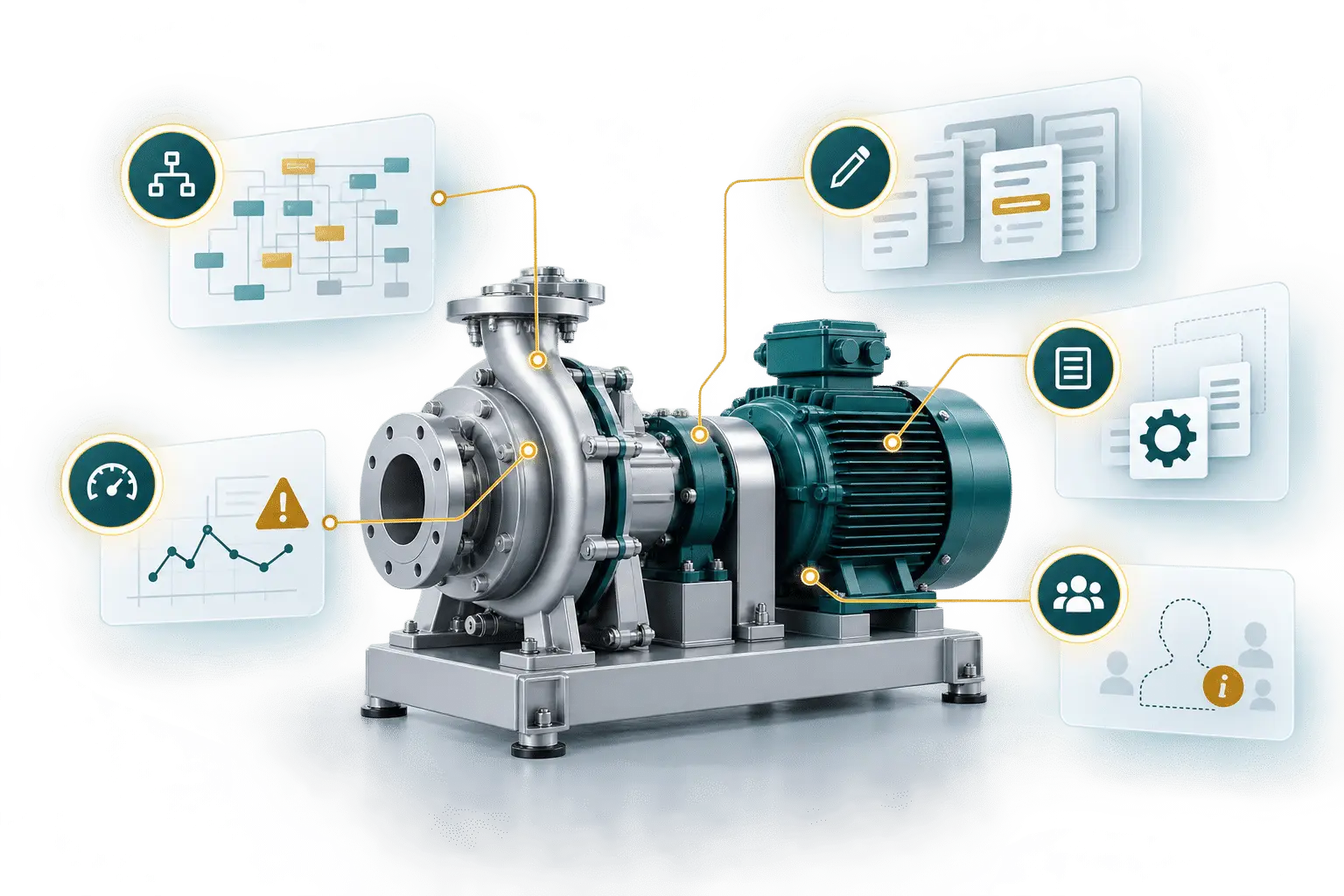
When LO-VC models grow over the years
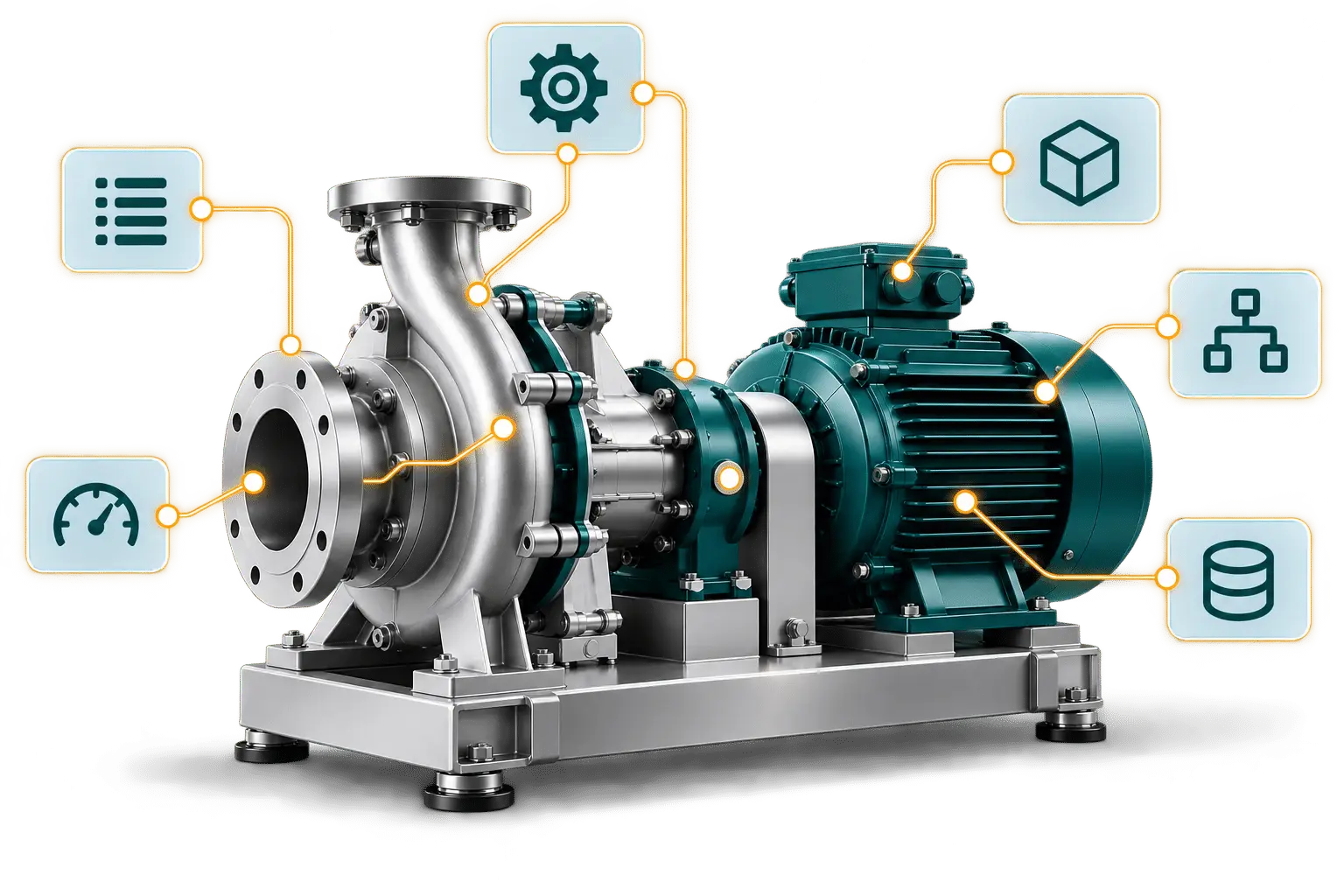
Many LO-VC landscapes have evolved over years or even decades. New product variants, additional features, and constantly changing rules often lead to complex structures.
Eventually, typical challenges arise:
Complex model structures
Dependencies and interrelationships have become difficult to trace.
Extensive modifications
Even minor adjustments can have an impact on numerous areas of the model.
Performance issues
Complex relationship data and extensive models can place a strain on the configuration.
Lack of standards
Different modeling approaches complicate maintenance and further development.
Dependence on individual experts
Important knowledge about the models is often held by only a few employees.
Optimize SAP LO-VC
We analyze existing LO-VC models holistically—from the characteristic structure and dependency knowledge to bills of material and routings. The goal is a variant configuration that is understandable, maintainable, and high-performing.
SAP LO-VC in the context of S/4HANA and AVC
With the transition to SAP S/4HANA, the question arises as to what role existing LO-VC models will play in the future. In many cases, LO-VC remains relevant—either in parallel with or in combination with SAP AVC.
Our services for SAP LO-VC
LO-VC Consulting
Analysis and further development of existing variant configuration processes and system landscapes.
VC modeling
Development, structuring, and further development of complex LO-VC product models.
Relationship knowledge
Analysis, development, and optimization of rules and dependencies.
Model Optimization & Performance
Analysis of existing models regarding structure, maintainability, and performance.
S/4HANA & AVC Transformation
Assessment of existing LO-VC landscapes and development of a suitable future variant configuration strategy.
Workshops & Training
Practice-oriented knowledge transfer regarding LO-VC, variant modeling, and dependency knowledge.
Frequently asked questions about SAP LO-VC.
What does SAP LO-VC mean?
SAP LO-VC stands for “Logistics Variant Configuration” and is the classic SAP solution for variant configuration. It has been used for many years to model configurable products and their dependencies within SAP.
What is constraint knowledge in SAP LO-VC?
Relationship knowledge maps rules and dependencies within a variant model. This allows, for example, values to be derived, combinations to be restricted, or components to be selected based on a configuration.
What is the difference between LO-VC and AVC?
LO-VC is the classic SAP variant configuration, whereas AVC was developed for modern variant configuration processes in SAP S/4HANA. Many fundamental modeling concepts are comparable, yet they differ in terms of functionality, technical implementation, and integration.
Does LO-VC need to be replaced by AVC?
Not necessarily. Whether and when a transformation from LO-VC to AVC makes sense or is required depends on the existing system landscape, product models, processes, and the company’s S/4HANA strategy.
Can an existing LO-VC landscape be optimized?
Yes. Models that have evolved over time, in particular, can be analyzed and specifically optimized with regard to relational data, model structure, maintainability, standards, and performance.
How does a transformation from LO-VC to AVC begin?
The process should begin with a structured analysis of existing LO-VC models, configuration knowledge, processes, and the system landscape. Based on this, it is possible to evaluate which models should be adopted, adapted, or optimized, and what a suitable AVC transformation strategy looks like.
Master your SAP LO-VC models.
Has your LO-VC landscape grown over the years, are models becoming increasingly complex, or do you want to know how your variant configuration should evolve in the context of S/4HANA and AVC?